
Dental implant failure happens when an implant does not form a stable connection with the jawbone, loses that support after healing, or develops a serious complication that prevents it from functioning properly. A loose or damaged replacement tooth, however, does not necessarily mean the implant beneath it has failed. At Dental Design Studio in Modesto, CA, we help patients understand their implant treatment options and why a professional evaluation matters when something changes.
Implant problems can involve healing, infection, or bone support; mechanical issues with the implant or replacement tooth; and health or treatment factors that influence both. Understanding these differences can help you recognize a concern and know what to ask your dentist, whether you are considering treatment or already have an implant.
What Does Dental Implant Failure Actually Mean?
A dental implant replaces a missing tooth root and provides a foundation for a crown, bridge, or denture. For it to work as intended, the implant needs a stable connection with the surrounding bone and a properly functioning restoration above it.
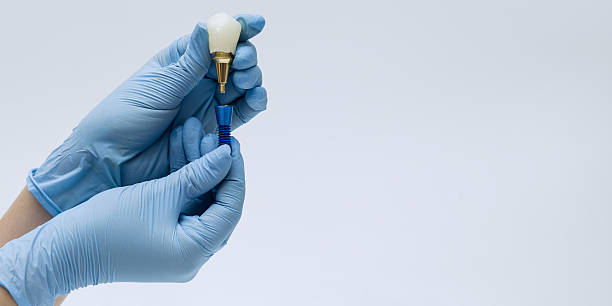
With a typical single-tooth implant, three parts work together:
- The fixture: The implant body placed in the jawbone.
- The abutment: The connector between the fixture and the replacement tooth, often secured with a screw.
- The crown: The visible replacement tooth used for biting and chewing.
People sometimes describe implant failure as “rejection,” but that term is often misleading: failure to integrate or loss of support does not, by itself, mean an immune rejection occurred. The surrounding bone and gums also need ongoing care. An implant can remain in place while disease damages its support, and a crown can loosen while the fixture stays firmly integrated. These situations require different treatments. Identifying the affected part comes before deciding whether an implant needs repair or removal.
What Is Early Dental Implant Failure?
Early failure means the implant has not established successful integration during initial healing. Dentists call the connection that develops between bone and the implant surface osseointegration.
An implant needs adequate initial stability while bone heals around it. If that stability cannot be maintained, or healing is disrupted, the connection may not develop sufficiently to support the replacement tooth. Contributing factors can include excessive movement, infection, limited bone support, and conditions that impair healing.
An early problem does not automatically mean someone made a surgical error. The treatment site, the patient’s health, and the conditions during healing all matter. An examination helps determine what happened and how that information should guide further care.
What Is Late Dental Implant Failure?
Late failure develops after an implant has integrated and begun functioning. Its support or function deteriorates later, sometimes years after the original treatment.
Potential problems include progressive bone loss, inflammatory disease around the implant, and serious mechanical complications. Changes in oral health, maintenance, or the forces placed on the restoration may also affect the outcome.
The distinction is straightforward: early failure involves difficulty establishing the bone connection; late failure involves losing support or function after that connection was established. A previously comfortable implant still needs attention if something changes.
Is a Loose Implant Crown the Same as a Failed Dental Implant?
No. Movement in the visible tooth may come from a loose crown, abutment, or connecting screw while the fixture remains stable.
For example, a cement-retained crown may lose its retention, or a screw connecting restorative components may loosen. A damaged component can also make the tooth feel unstable. By comparison, movement of the fixture within the bone suggests a problem with the implant’s foundation.
You cannot reliably identify the moving component by touching the tooth yourself. Avoid repeatedly testing it or trying to tighten it. Contact your dentist and avoid chewing directly on the area until you receive guidance. Prompt assessment may help prevent a repairable component problem from becoming more complicated.
What Are the Most Common Causes of Dental Implant Failure?
Implant failure often has more than one contributing factor. Bone healing, tissue health, bite forces, and the design of the restoration all affect how the implant functions.
A risk factor increases the likelihood of a problem; it does not establish what caused an individual failure. Your dentist needs to consider the timing, examination findings, imaging, and treatment history together.
Failed Osseointegration During Implant Healing
Successful osseointegration gives the implant a stable foundation for chewing. Before that biological connection develops, the implant relies on its initial mechanical stability in the bone.
Too much movement during healing can interfere with the developing connection. Infection and impaired bone healing can also prevent reliable integration. The amount and condition of available bone influence the environment in which healing takes place.
This is why an implant can feel comfortable before it is ready for unrestricted use. The absence of soreness does not prove that the bone connection is complete. Loading and dietary recommendations depend on the treatment plan, including whether a temporary restoration is present.
There is no single healing schedule that applies to every patient. Follow-up examinations help the treating dentist determine when the site is ready for the next stage.
Insufficient Jawbone or Loss of Bone Support
An implant needs enough bone in an appropriate position to support both the fixture and the planned replacement tooth. Bone-related concerns can arise at different stages.
Before treatment, the jawbone may be too narrow or shallow for the planned implant. Previous tooth loss, periodontal disease, or injury may affect the site.
During healing, the bone must form and maintain a stable connection with the implant. Compromised healing can prevent that connection from developing adequately.
After integration, progressive bone loss can reduce the support around an implant that previously functioned well. This requires assessment even if the tooth still feels firm.
Imaging helps dentists evaluate the available bone and changes over time. Grafting may be considered for certain deficiencies, but it is not necessary for every implant or suitable for every problem. Our guide explains more about when bone grafting is needed before dental implants.
Infection and Inflammation Around the Implant
Implants cannot develop tooth decay, but the tissues around them can become inflamed and lose support. Bacterial plaque accumulating around an implant restoration can contribute to this process.
Peri-implant mucositis involves inflammation in the soft tissues without the progressive supporting bone loss associated with peri-implantitis. It can often be resolved with appropriate professional care and improved plaque control.
Peri-implantitis involves inflammation and loss of supporting bone. Without treatment, that loss can progress and eventually threaten implant stability. Treatment is more involved than simply replacing a loose crown and may include surgery.
Bleeding or swelling does not automatically mean the implant is lost. It does mean the tissues need assessment. Treating a problem before extensive support is lost may leave more options available.
Excessive Bite Forces and Teeth Grinding
Chewing places repeated forces on implant-supported teeth. Clenching or grinding, also called bruxism, can add substantial stress to the restoration and its connections.
That stress may contribute to screw loosening, chipped restorative material, or component fracture. The way a crown or bridge meets the opposing teeth and distributes chewing forces also matters. A restoration’s design must work with its supporting implants and the patient’s bite.
Research associates bruxism with increased implant and restorative complications, but grinding does not mean an implant will inevitably fail. The relationship between overload and bone loss is complex; excessive force should not be treated as the explanation for every biological problem.
Tell your dentist if you grind, clench, repeatedly chip dental work, or notice changes in chewing comfort. Those details help guide the bite evaluation and any protective recommendations.
Implant Positioning and Restorative Planning Problems
The implant’s position needs to support the tooth that will eventually attach to it. Surgical and restorative planning therefore work together.
Dentists consider the available bone, implant angle, space for the restoration, and how the teeth meet. A crown or bridge also needs a design that allows cleaning and distributes forces appropriately. A position that makes the restoration difficult to clean or mechanically unfavorable can complicate long-term care.
Placement-related concerns may involve nearby structures as well as the future tooth. Persistent altered sensation or other unexpected postoperative symptoms deserve assessment rather than an assumption that they are normal healing.
A complication alone does not prove an implant was positioned incorrectly. Your dentist must evaluate the actual site and restoration before drawing that conclusion.
Smoking and Other Patient-Related Risk Factors
Smoking can interfere with healing and is associated with poorer implant outcomes. It also matters when assessing the health of the tissues surrounding an implant over time. Share your smoking history so the care plan can address it openly.
Poorly controlled diabetes can increase concerns about healing and infection. Having diabetes, however, does not automatically rule out implant treatment. The degree of control and the person’s overall health are relevant to the decision.
A history of periodontitis, difficulty cleaning around the restoration, and inconsistent maintenance can also increase the risk of peri-implant disease. Discuss medical conditions, medications, and changes in health with your dentist before treatment and during follow-up care.
A risk factor calls for closer assessment and management. A contraindication is a reason a treatment should not proceed in a particular situation. They are not interchangeable, and individual evaluation matters more than a general label.
What Are the Warning Signs of a Failing Dental Implant?
Persistent pain, movement, swelling, discharge, and a changed bite are reasons to contact your dentist. None of these symptoms alone confirms implant failure.
Some complications develop with little discomfort. Bone loss may be identified during an examination before you notice anything unusual, so feeling comfortable does not replace routine monitoring.
Is Pain Around a Dental Implant a Sign of Failure?
Pain can have several causes, including healing tissues, inflammation, or a restorative problem. Some short-term soreness after surgery is expected, and your treating team should explain the recovery pattern for your procedure.
Pain that persists beyond the expected recovery, worsens instead of improving, or begins after a comfortable period needs evaluation. Discomfort when biting also deserves attention.
The location of pain does not necessarily identify its source. Your dentist may need to assess nearby teeth and tissues as well as the implant. Describe when the pain started, what triggers it, and whether it is changing rather than trying to determine the diagnosis yourself.
What Does It Mean When a Dental Implant Feels Loose?
A loose-feeling tooth may involve the crown, abutment, connecting screw, or implant fixture. The treatment depends on which part is moving and why.
Fixture mobility is particularly concerning because an integrated implant should be stable in the bone. A loose restorative component may be repairable, but it still needs prompt attention to assess the connection and prevent further damage.
Call your dental office when you notice movement rather than waiting for the next cleaning. Avoid wiggling the restoration to check whether it has become looser.
Can Swelling, Bleeding, or Pus Indicate an Implant Problem?
Yes. These signs can indicate inflammation or infection, although they do not establish whether the implant has failed.
Recurrent bleeding around an established implant, increasing swelling, tenderness, or pus should be assessed. A bad taste or drainage is also worth reporting. Explain whether you recently had surgery, because postoperative changes need to be interpreted in that context.
Contact your dentist promptly for these symptoms. Rapidly spreading facial or neck swelling, difficulty breathing, or difficulty swallowing requires emergency medical care. An implant-related infection should not be managed by waiting for it to become painful.
Can Changes in Your Bite Signal an Implant Complication?
Yes. A tooth that suddenly feels higher, moves during chewing, or receives uncomfortable pressure may have a restorative or mechanical problem.
You might notice that the implant-supported tooth contacts first when you close your mouth or that food is harder to chew on that side. These changes help your dentist decide what to examine, but they do not identify the cause on their own.
Have both the restoration and implant evaluated. Do not try to adjust the crown yourself or keep chewing on it to see whether the bite settles.
How Do Dentists Diagnose Dental Implant Problems?
Diagnosis begins with identifying what has changed and which structures are involved. Your dentist will ask about the original treatment, when symptoms started, previous repairs, and relevant changes in health or habits.
If your implant was placed elsewhere, records identifying its brand and components can help with evaluation and repair planning. Bring available implant information and previous images, but do not delay contacting the office while searching for them.
Examining the Implant, Crown, and Surrounding Gums
The examination checks the stability and condition of the visible restoration and its connection to the implant. Your dentist also assesses the gums for inflammation, plaque accumulation, bleeding, and other signs of disease.
Measurements around the implant help evaluate the supporting tissues. The bite is checked for contact patterns that could place unfavorable stress on the restoration.
When movement is present, the dentist needs to distinguish a loose component from fixture mobility. That distinction may require closer examination of the connection rather than relying on how the tooth feels to you.
Using Dental Imaging to Evaluate Bone Support
Dental X-rays help assess the bone around an implant and may reveal problems that cannot be seen in the mouth. Comparing current images with earlier ones can help identify changes in supporting bone.
Three-dimensional imaging, such as cone-beam computed tomography, may be indicated when the clinical question requires more detail about implant position, bone, or nearby structures. Not every implant concern requires a new CBCT scan.
Imaging is selected according to the examination, symptoms, existing records, and information needed for treatment. An image contributes to the diagnosis; it does not replace the clinical examination.
Determining Whether the Implant or Restoration Is the Problem
The findings help establish whether care should focus on a restorative component, the surrounding tissues, the fixture, or a combination of these.
A stable implant with a loose crown may need restorative repair. Inflammation and bone loss require treatment of the tissues and assessment of the implant’s prognosis. A nonintegrated or severely compromised fixture may need removal.
Ask your dentist to explain which part is affected, what can be repaired, and what needs monitoring. Understanding the diagnosis helps you compare recommendations without assuming that every implant problem requires starting over.
Can a Failed Dental Implant Be Saved or Replaced?
Some implant complications can be treated while the fixture stays in place. An implant that has not integrated, or has lost adequate support, may need removal.
The decision depends on stability, remaining bone, tissue health, the restoration, and whether the underlying problem can be managed. No treatment can guarantee that every compromised implant will be saved.
When Can an Implant Problem Be Treated Without Removing the Implant?
A stable fixture may remain in place while a crown is repaired or replaced or a screw-related problem is addressed. Your dentist should also assess why the component loosened or broke, particularly if it has happened before.
Some peri-implant conditions can be treated without removing the fixture. Treatment may involve professional cleaning, changes that improve cleaning access, management of contributing factors, and sometimes surgery.
Peri-implantitis is not predictably reversed by a routine cleaning, and lost bone does not necessarily return after inflammation improves. Ongoing monitoring remains important even when symptoms settle.
What Happens If a Dental Implant Must Be Removed?
The first step is explaining why removal is recommended and what it means for future treatment. The general sequence includes:
- Investigating the cause: Review healing, disease, mechanical factors, and relevant health risks.
- Removing the implant when necessary: Choose an approach appropriate to its condition and the surrounding site.
- Assessing the remaining tissues: Evaluate bone and soft tissue after removal.
- Treating and allowing the site to heal: Manage infection or tissue deficiencies, including grafting when indicated.
- Reviewing replacement options: Determine whether another implant or a different restoration is appropriate.
These steps may occur across several appointments. Timing depends on the findings rather than a universal waiting period. Ask about temporary tooth replacement if the gap affects eating, appearance, or daily comfort.
Can Another Dental Implant Be Placed After One Fails?
Yes, replacement may be possible, but it requires a fresh evaluation. The dentist must assess the remaining bone, healing, control of inflammation, and factors that may have contributed to the first failure.
A revised plan may involve site treatment, a different implant position, changes to the restoration, or better management of patient-specific risks. Repeating the same procedure without addressing the underlying concern may leave important problems unresolved.
Research shows that replacement implants can function successfully, although outcomes may be less favorable than for first-time placement. Your dentist should explain the expected challenges and alternatives rather than promise a particular result.
How Can You Reduce the Risk of Dental Implant Failure?
Risk reduction begins before placement and continues after the replacement tooth is attached. The aim is to support healing, manage health concerns, and identify changes while treatment options remain available.
You can take useful steps, but no home-care routine or treatment plan eliminates every risk. A complication deserves investigation rather than an assumption that you did something wrong.
Have Your Bone and Gum Health Evaluated Before Treatment
A pretreatment assessment helps determine whether the site can support the planned implant and restoration. Existing periodontal disease and other oral health problems may need treatment first.
Share your medical history, medications, tobacco use, and any grinding habits. If diabetes or another health condition raises healing concerns, your dental and medical providers may need to coordinate care.
Ask what findings influence your risk and whether any preparation is recommended before placement. This makes the plan specific to your needs rather than a standard sequence applied to everyone.
Follow Postoperative Instructions During Implant Healing
Your instructions should reflect your surgery and restoration. Follow the treating clinician’s guidance about cleaning, food choices, pressure on the site, medications, and follow-up visits.
Do not assume that advice given to someone else applies to your implant. A temporary tooth or denture may also need specific precautions while the area heals.
Contact the office if instructions are unclear or if pain, swelling, or movement changes unexpectedly. Taking medication as directed and attending follow-up appointments are parts of care, but neither substitutes for having a new concern examined.
Maintain Good Oral Hygiene Around the Implant
Brush and clean between teeth and around the implant restoration as your dental team recommends. The best tools depend on the shape of the crown, bridge, or denture and the space available for cleaning.
Ask for a demonstration if you cannot comfortably reach an area. Persistent difficulty cleaning may warrant a review of the restoration as well as your technique. Report recurring bleeding instead of avoiding the area indefinitely.
Address Teeth Grinding and Excessive Bite Forces
Tell your dentist about clenching, grinding, morning jaw discomfort, and repeated damage to dental work. A bite evaluation helps identify contacts or restorative concerns that need attention.
A protective appliance may be recommended for some patients. It needs an appropriate fit and follow-up; not every implant patient requires a nightguard. An appliance can be part of managing mechanical risk, but it does not guarantee protection or replace examination of a loose tooth.
Attend Regular Implant Maintenance Appointments
Maintenance appointments assess more than whether the crown looks intact. Your dental team monitors gum condition, cleaning access, bite, restorative components, and signs that the implant’s support is changing. Imaging is obtained when clinically indicated.
The recommended interval depends on your history and current findings, including any previous periodontal or implant disease. Keep the schedule your dentist recommends even when the implant feels normal.
Continue discussing smoking cessation and changes in general health as part of long-term care. Risk management remains relevant after the initial healing period has ended.
Are Dental Implants Still a Reliable Tooth-Replacement Option?
Yes. Dental implants are an established treatment for replacing missing teeth, with generally favorable outcomes when appropriately planned, placed, restored, and maintained.
An article about complications can make problems feel inevitable. They are possibilities to understand and manage, rather than a prediction of what will happen to your implant. Benefits can include improved chewing and a stable foundation for replacement teeth.
It is also helpful to distinguish an implant remaining in place from an implant restoration never needing maintenance. Crowns and connecting components can require attention even when the fixture remains integrated.
A useful consultation covers both benefits and limitations: what your site needs, which risks apply to you, what follow-up involves, and what alternatives are available. That information supports a considered decision without relying on promises of lifelong results.
Concerned About Your Dental Implant? Get Answers From a Modesto Dentist
If your implant-supported tooth hurts, moves, or feels different when you bite, you deserve a clear explanation of what is happening. Schedule an evaluation to determine whether the concern involves the fixture, surrounding tissues, or replacement tooth.
At Dental Design Studio in Modesto, CA, Dr. Rimmie Pandher and our team place and restore dental implants. Whether you have an existing concern or want to understand your risks before replacing a missing tooth, we can discuss dental implant treatment and restoration in Modesto based on your oral health and treatment needs.
Frequently Asked Questions About Dental Implant Failure
What is the most common cause of dental implant failure?
There is no single cause that explains every failure. Early problems involve failure to establish a stable bone connection. Later complications may involve peri-implant disease, progressive bone loss, or mechanical problems. The timing and clinical findings help identify what contributed to an individual case.
How soon can a dental implant fail after surgery?
An implant can develop problems during the initial healing period, before successful integration is established. Other complications occur after the implant has functioned for years. Report unexpected symptoms during recovery rather than waiting for a particular number of weeks to pass.
Can dental implants fail years after placement?
Yes. Supporting tissues and restorative components can develop problems long after treatment. Progressive bone loss, inflammatory disease, and serious mechanical complications may threaten function. Regular maintenance helps detect changes that may not initially cause pain.
Does a loose implant always mean it has failed?
No. The movement may involve a crown, abutment, or screw while the implant fixture remains stable. Movement of the fixture itself is more concerning. Both situations require prompt assessment; do not try to identify or tighten the moving component yourself.
Can smoking increase the risk of dental implant failure?
Yes. Smoking can interfere with healing and is associated with poorer implant outcomes and peri-implant health concerns. Discuss tobacco use honestly with your dentist so it can be considered in treatment and maintenance planning. Smoking history alone does not determine an individual outcome.
Can a failed dental implant be replaced?
Sometimes. Replacement depends on the reason for failure, available bone, tissue healing, and management of contributing factors. Site treatment or a revised plan may be needed first. Your dentist should discuss another implant alongside other suitable tooth-replacement options.
When should I contact a dentist about an implant problem?
Contact your dentist promptly for movement, persistent or worsening pain, swelling, pus, recurring bleeding, or a changed bite. You do not need all these symptoms to justify an appointment. Seek emergency medical care for difficulty breathing or swallowing or rapidly spreading facial or neck swelling.
